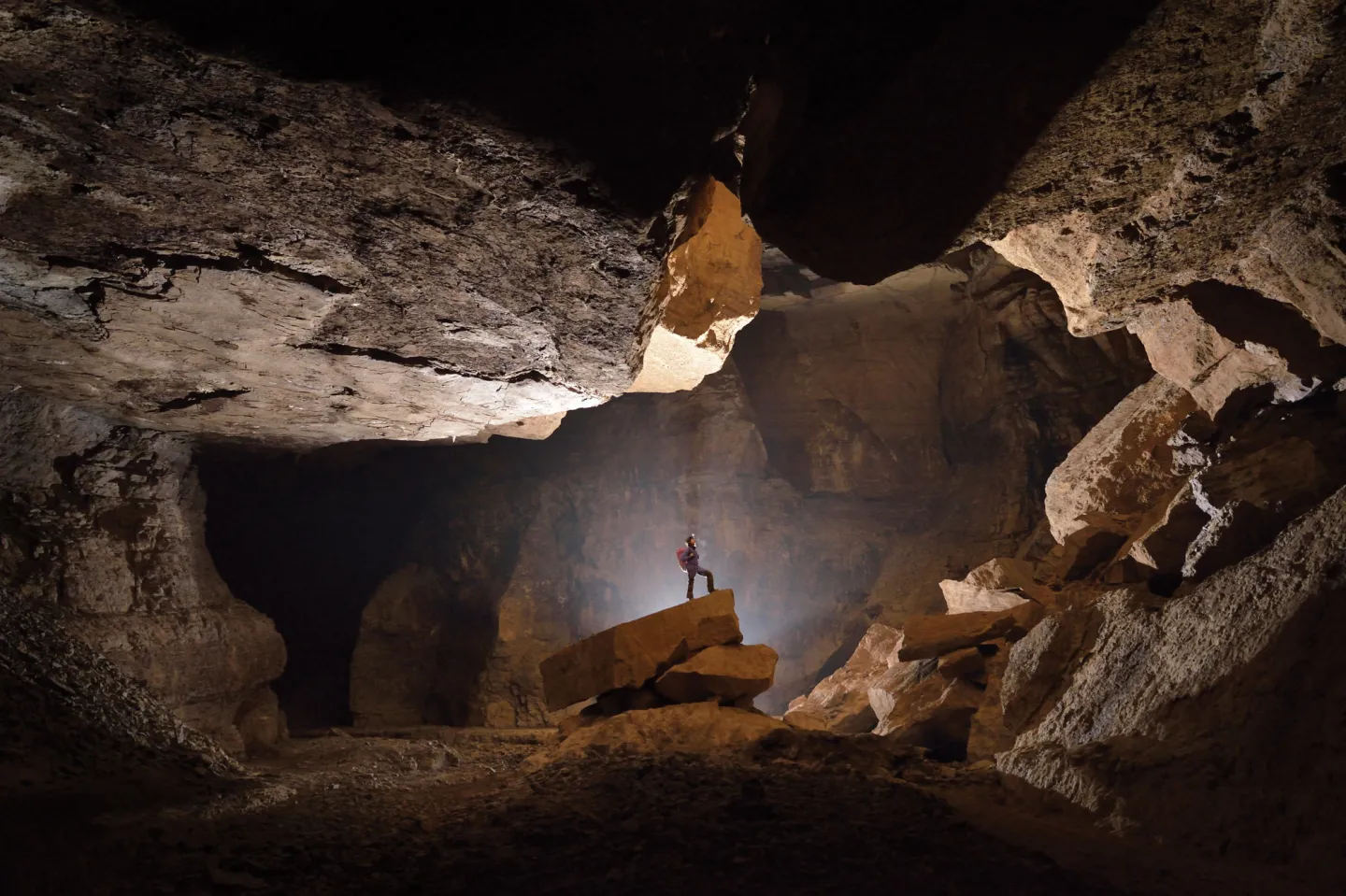
Ascension
When ascending, there are various different systems/combinations of ascenders that can be used depending on the situation and personal preference. Here are 4 of the most common ones:
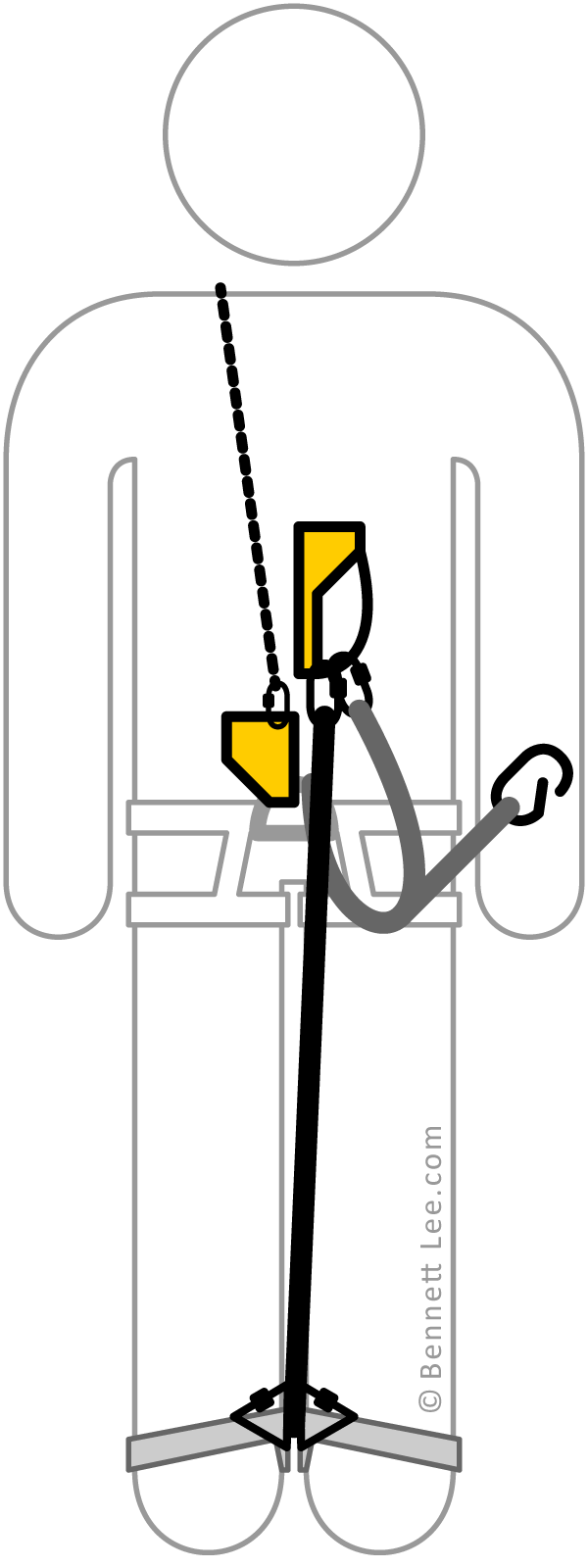
- Beginner friendly
- Especially good in caving
- Use of both arms and legs for power
- Handles obstacles well
- Lightweight
- Good general purpose
- Ascenders required:
- Hand
- Chest/Croll
Frog
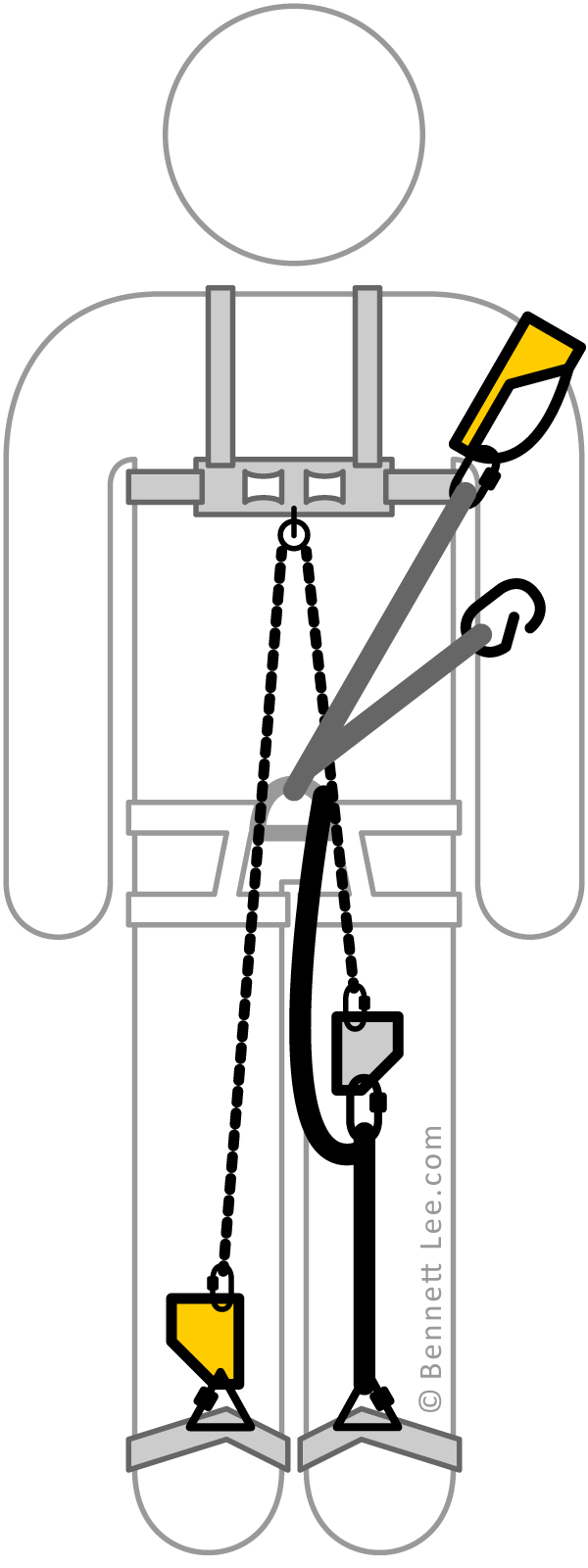
- Most energy efficient
- A bit bulky
- Great for crossing rock overhangs
- Ascenders required:
- Hand
- Croll
- Basic
Rope Walker
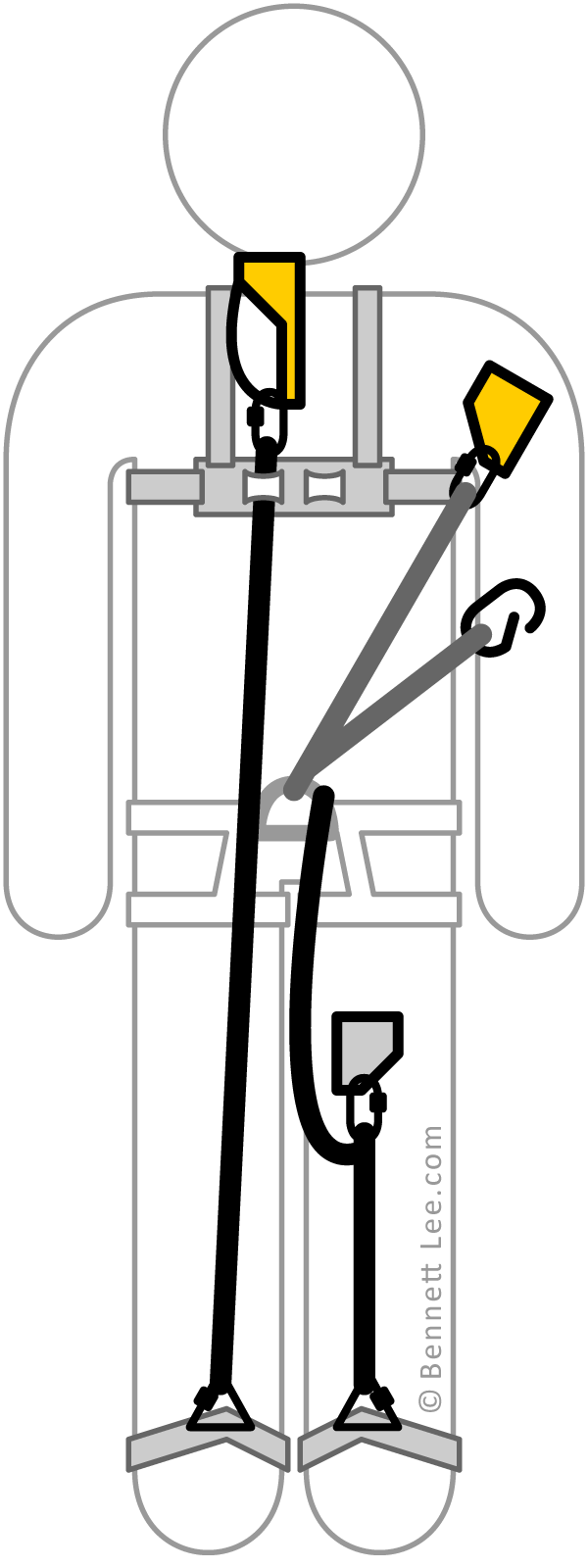
- A bit bulky
- Good general purpose
- Ascenders required:
- Hand
- Croll
- Basic
Mitchell
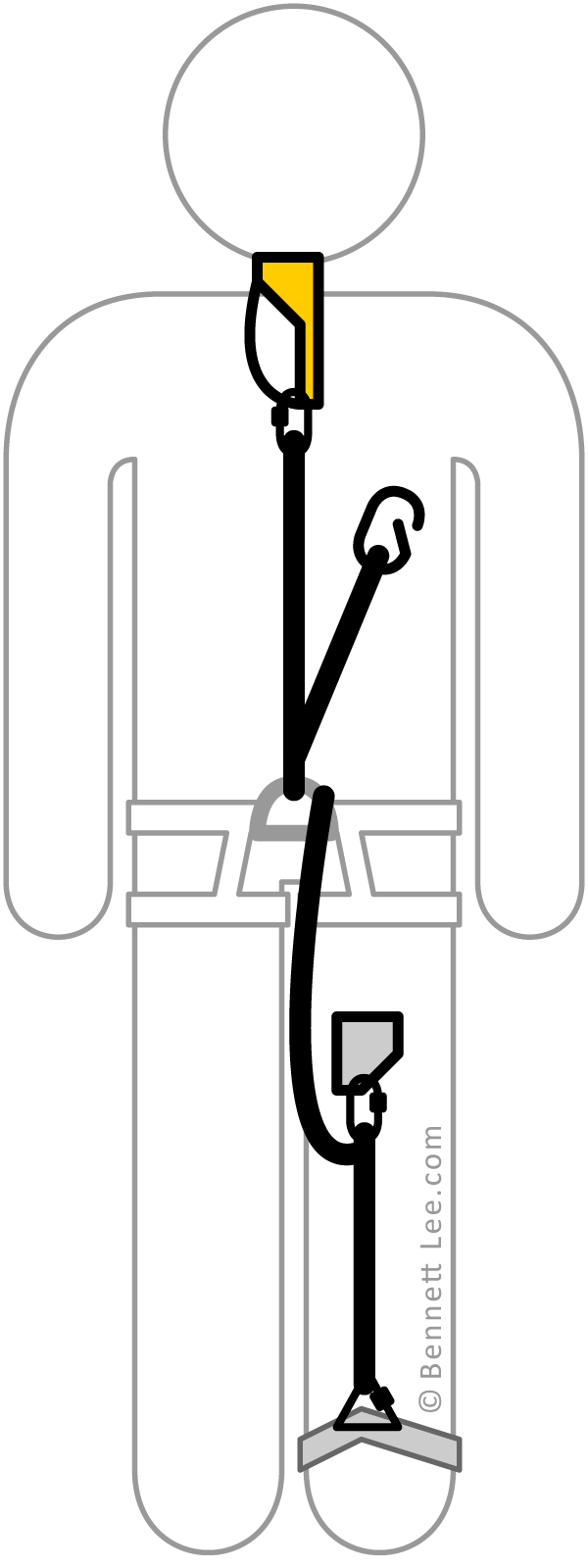
- Fast and lightweight
- Less efficient
- Best for short climbs (30ft or 10m)
- Ascenders required:
- Hand
- Basic
Texas
My Preference
I prefer to use the frog system due to its general purpose and minimal weight.
Descension
When descending, there are various different descenders that can be used depending on the situation and personal preference. Here are 3 of the most common ones:
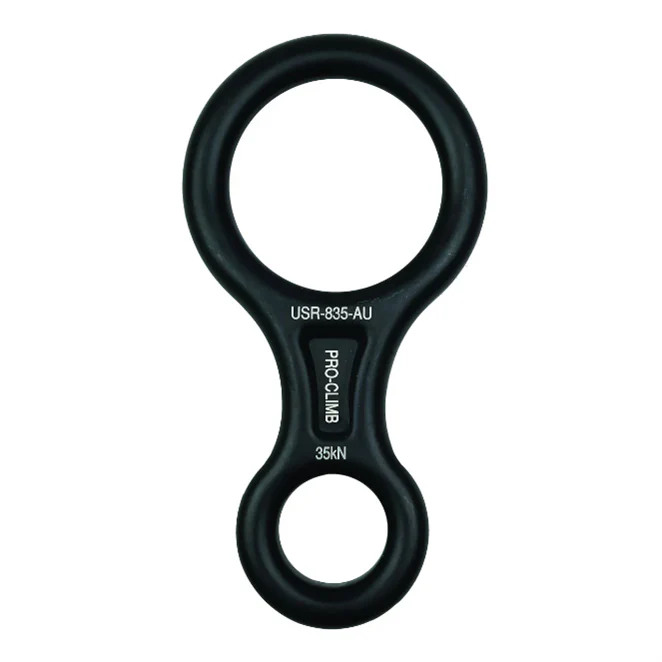
- Small and simple
- Low cost
- Harder to lock off
- Puts more wear on the rope
Figure 8
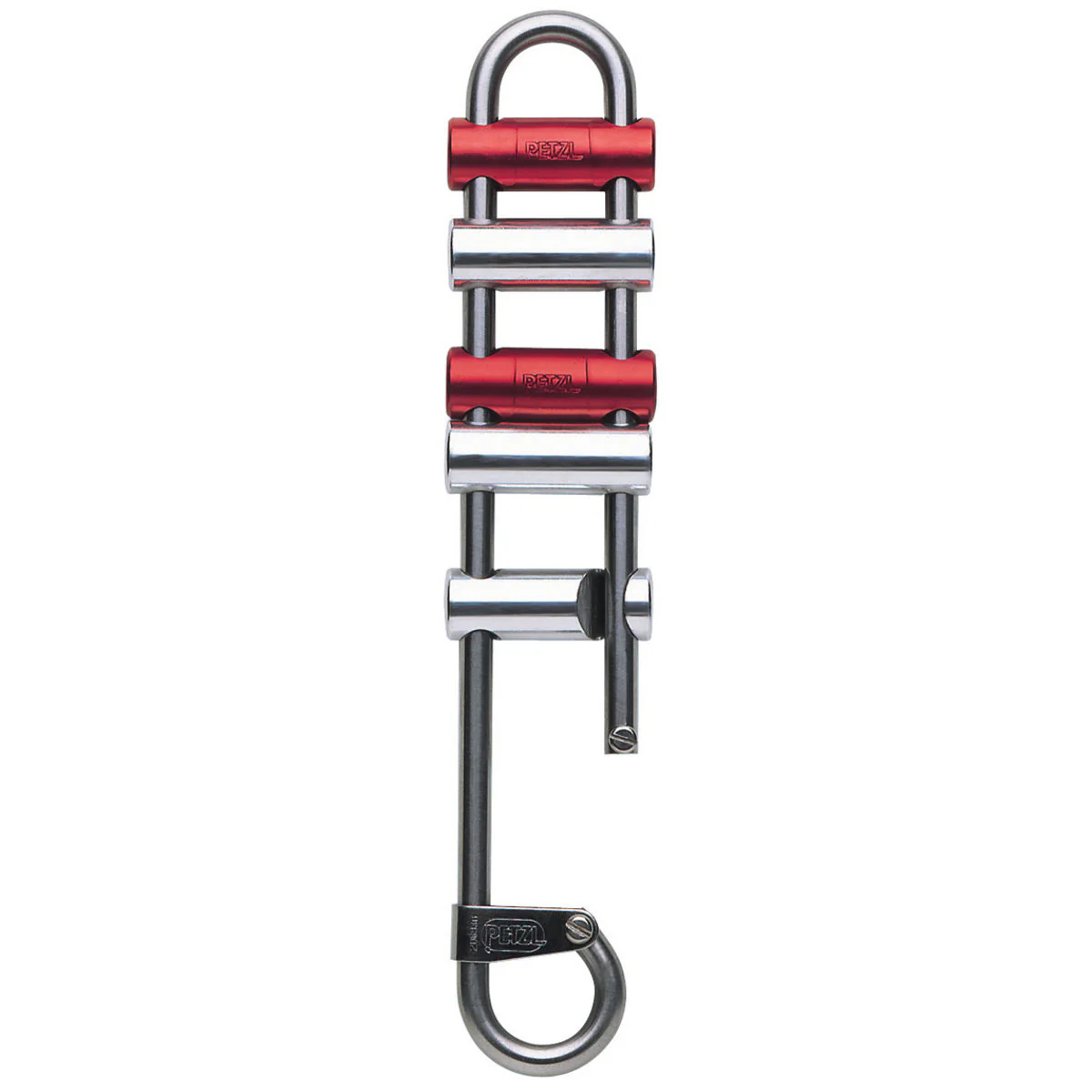
- Bulky
- Large range for adjustability
- Good for long rappels
- Less wear to the rope
- A bit more complicated
Rack
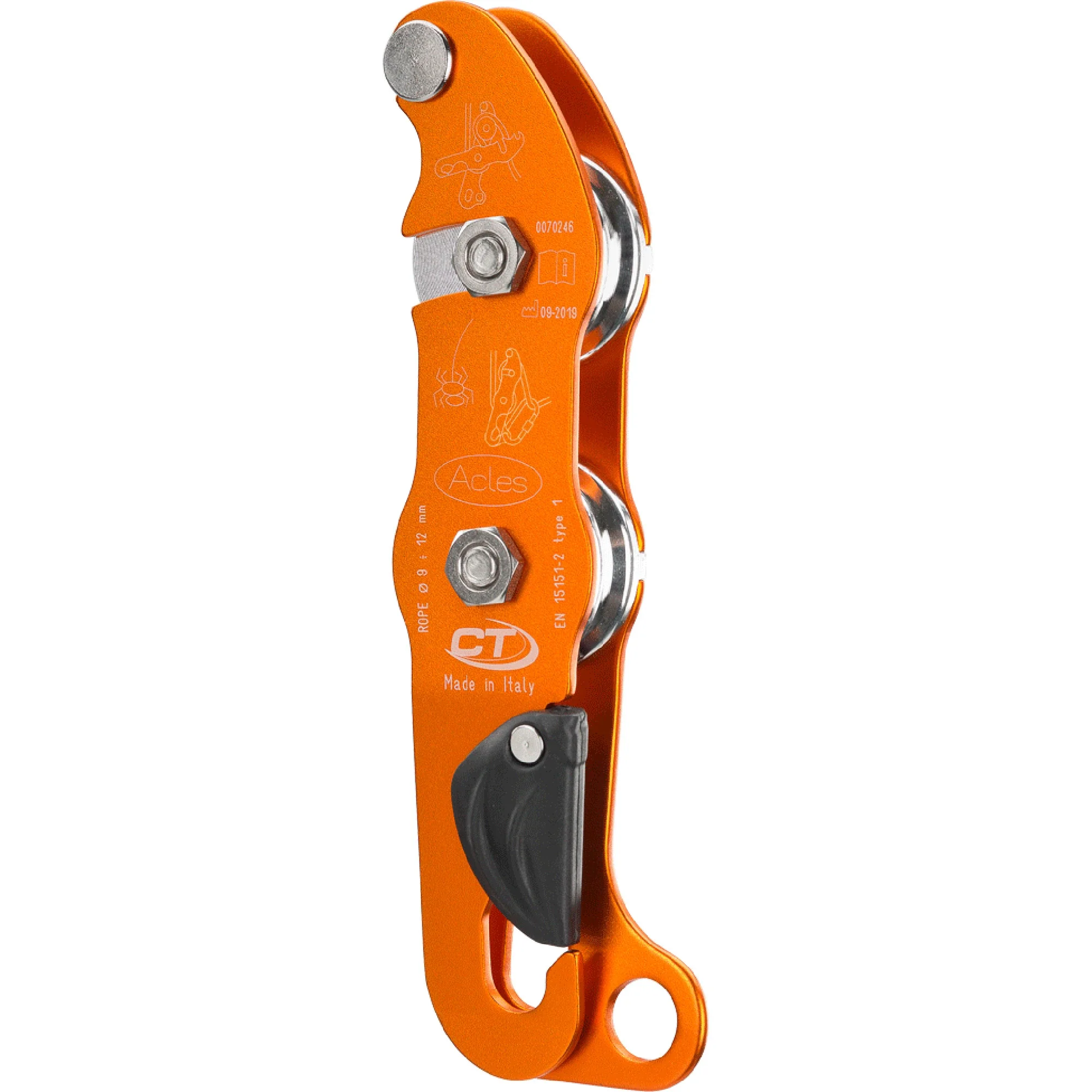
- Compact and lightweight
- Easy to rig
- Puts more wear on the rope
- Less friction possible
- Better for shorter rappels
Bobbin
My Preference
I prefer to use the rack descender due to its adjustability and reduced wear and tear on the rope.
Knots
When ascending and descending on a rope, particular knots are essential to know and use in order to ensure safety.

Figure 8 on a bight
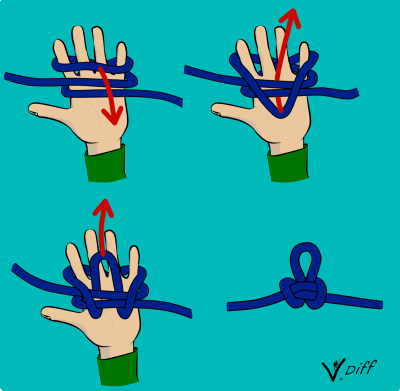
Butterfly
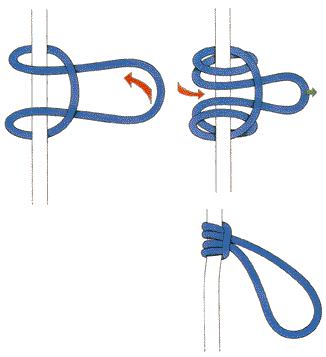
Prusik
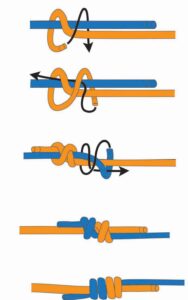
Double Fishermans
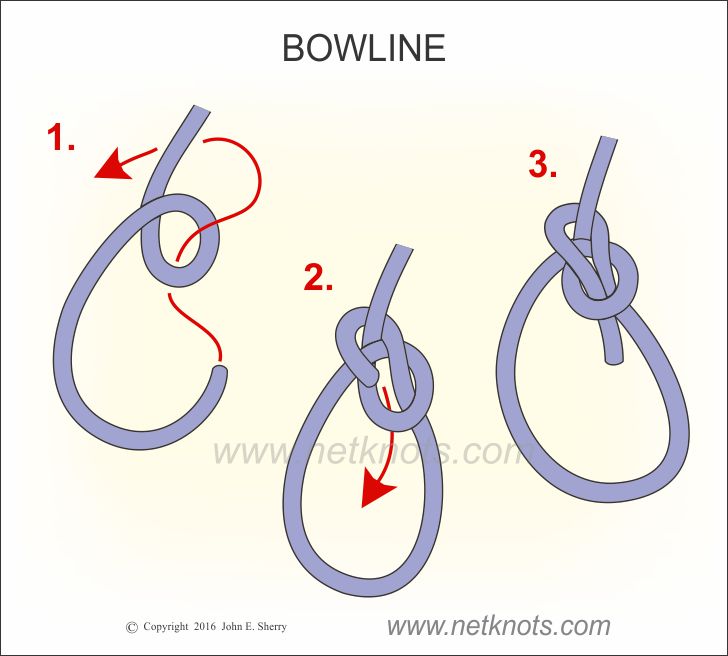
Bowline
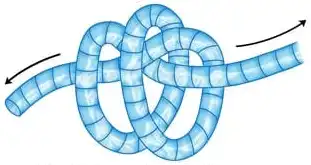
Barrel
Climbing vs Caving Rope
While they may seem similar, climbing and caving ropes are quite different and should not be mistaken for the other. Climbing ropes are dynamic (stretchy) to better absorb the impact of a fall. On the other hand, caving ropes are static (low stretch) to be more stable during ascents and descents, they are also usually more durable to endure the more wet and rough cave environment.